Key takeaways
- E-flute corrugated suits most products under 3 kg; use B-flute or double wall for heavy or fragile items.
- Size the box to the product plus 5-10 mm per side to cut board, void fill and dimensional-weight shipping costs.
- Inside printing is what customers film; one or two colours inside is a low-cost way to stand out.
- Custom mailer boxes start from 100 pieces at Printy Packaging.
Why online brands switch to mailer boxes
When you sell online, the box is your shop window, your shelf and your delivery driver all at once. A plain brown shipper does the job, but it tells the customer nothing about you.
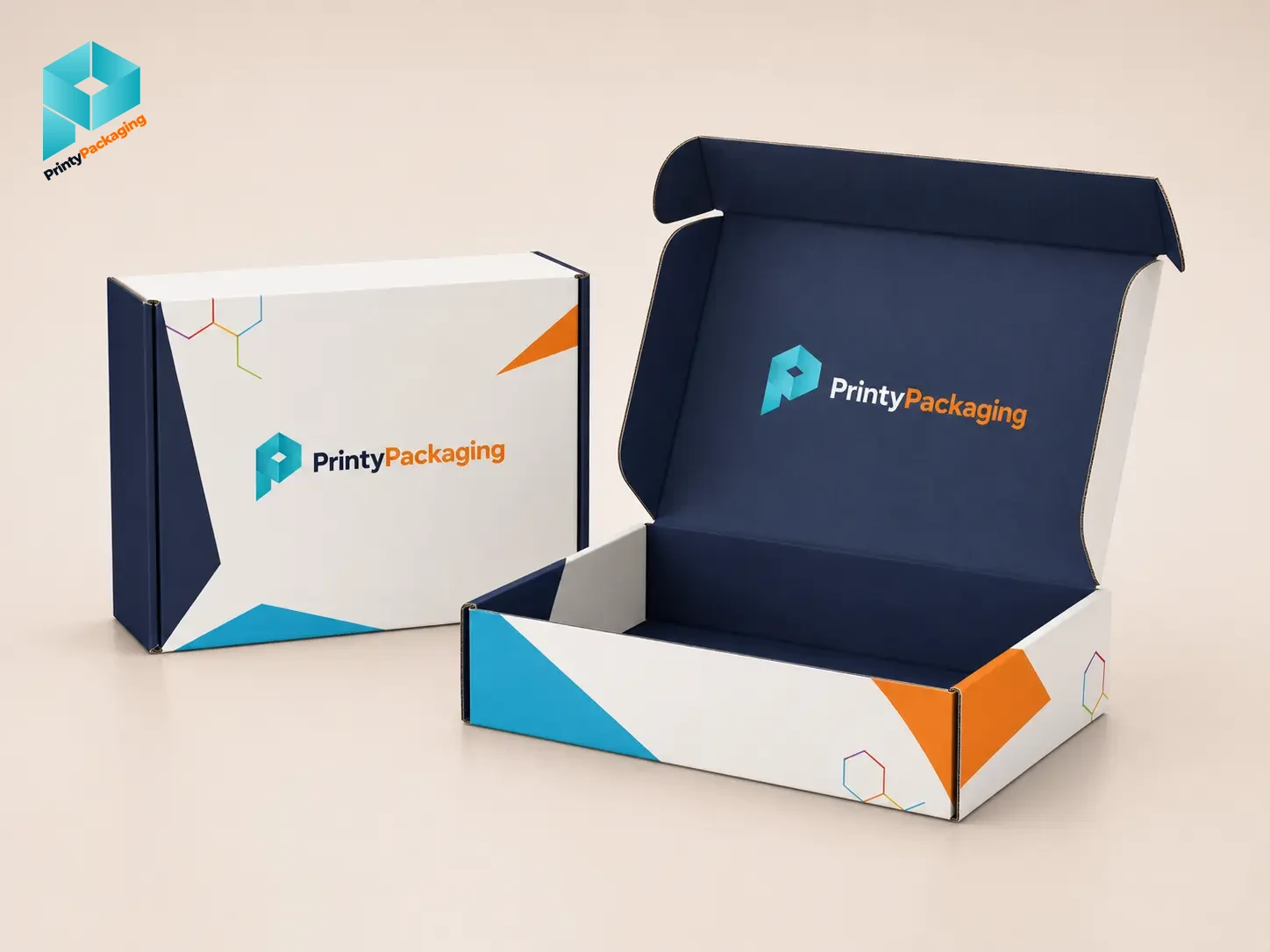
A mailer box is a one-piece corrugated box with a hinged lid that tucks in at the front. No tape is needed to close it, it opens like a gift, and the lid gives you a whole printed panel inside. That combination of strength and presentation is why clothing, skincare, candle and subscription brands use them so much.
They also ship flat. You store a pallet of folded mailers in a corner and fold each one in a few seconds when an order comes in.
Pick the right board first
Everything else depends on the board. Mailer boxes are made from corrugated card, and the thickness of the wavy middle layer (the flute) decides how much weight and rough handling the box can take.
| Board | Thickness | Best for |
|---|---|---|
| E-flute | about 1.5 mm | Clothing, cosmetics, candles, most products under 3 kg |
| B-flute | about 3 mm | Heavier items, glass jars, bottles, multiple products |
| E/B double wall | about 4.5 mm | Fragile or heavy orders shipped long distance |
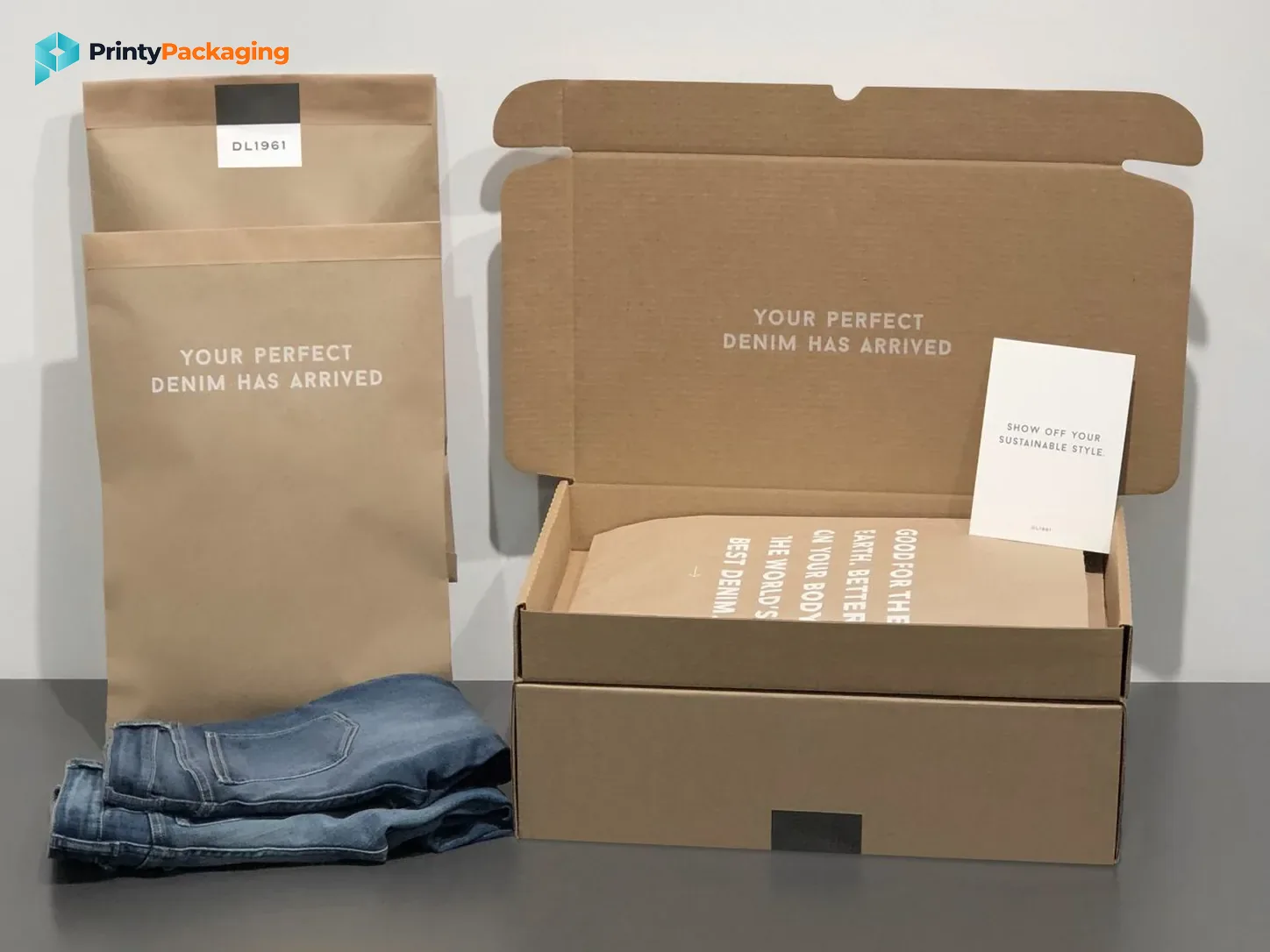
| Kraft outer | same flutes | Natural brown look, lower print cost, eco message |
| White outer | same flutes | Bright full-colour printing, premium look |
Already know your box? Free quote, we reply within 10-15 minutes.
Get Free QuoteSizes that work for most stores
The most common money leak is a box that is too big. You pay for board you do not need, you pay for void fill, and carriers charge for the space. Measure your product with its tissue or insert, then add 5 to 10 mm on each side so it slides in without rattling.
Most couriers, including UPS and FedEx, price parcels by dimensional weight: length x width x height divided by a set number. Cutting a centimetre or two from a box can move an order into a cheaper price band, and that saving repeats on every single shipment.
| Inside size (inches) | Inside size (cm) | Good for |
|---|---|---|
| 6 x 4 x 2 | 15 x 10 x 5 | Jewellery, skincare minis, accessories |
| 8 x 6 x 3 | 20 x 15 x 7.5 | Candles, single cosmetics, small gifts |
| 10 x 8 x 4 | 25 x 20 x 10 | T-shirts, bundles, subscription boxes |
| 12 x 9 x 4 | 30 x 23 x 10 | Hoodies, folded clothing, kits |
| 14 x 10 x 4 | 35 x 25 x 10 | Larger apparel, multi-item orders |
Inside printing: the part people film
Customers open the lid on camera far more than they photograph the outside. That inside panel is the cheapest place to make a strong impression.
Ideas that work well: a thank-you line, your social handle, a pattern in your brand colour, or care instructions for the product. Keep it simple. One or two colours inside usually looks more deliberate than a busy full-colour print, and it costs less.
If the budget is tight, print inside only and keep the outside plain kraft. It ships anonymously, which some customers prefer, and the reveal still feels special.
What changes the price per box
Mailer pricing is not a mystery once you know the levers. In order of impact:
Quantity. Setup costs (printing plates, cutting die) are spread over the order, so 1,000 boxes cost much less per box than 100. Ask for prices at two or three quantities before you decide.
Size and board. Bigger boxes and double-wall board use more material.
Print coverage and sides. Full-colour on both sides costs more than one colour on the outside.
Finishing. Matte or gloss lamination, spot UV and foil add a step each. They look great on retail boxes, but on a shipper that gets handled by couriers, a simple matte finish is usually enough.
Inserts. A custom cardboard insert holds products in place and replaces loose fill. It adds a little cost but often saves on breakages and returns.
Common mistakes to avoid
Choosing the thickest board to feel premium. Thick board makes the box heavier and more expensive to ship, and customers rarely notice the difference.
Designing before you have a dieline. Ask for the dieline (the flat template) first, then place your artwork on it so logos do not land on a fold.
Forgetting the seal. Mailers close without tape, but for shipping you may still want a branded sticker or tear strip so customers can tell the box was not opened.
Ordering one size for everything. Two or three sizes usually cover a whole catalogue and cut shipping costs across the board.
How to order without guesswork
Send us the inside size you need (or the product size and we will work it out), the quantity, whether you want kraft or white board, and your logo. We reply with pricing and a free dieline, usually within 10-15 minutes.
Our minimum order starts at 100 boxes, production takes about 12 to 15 business days after you approve the proof, and we ship to the USA, UK, Europe, UAE and Australia. If you are not sure which size or board to pick, ask for a recommendation. That is a normal part of the quote, not an extra.
Products in this guide
 Custom Mailer BoxesBranded mailer boxes for ecommerce and delivery
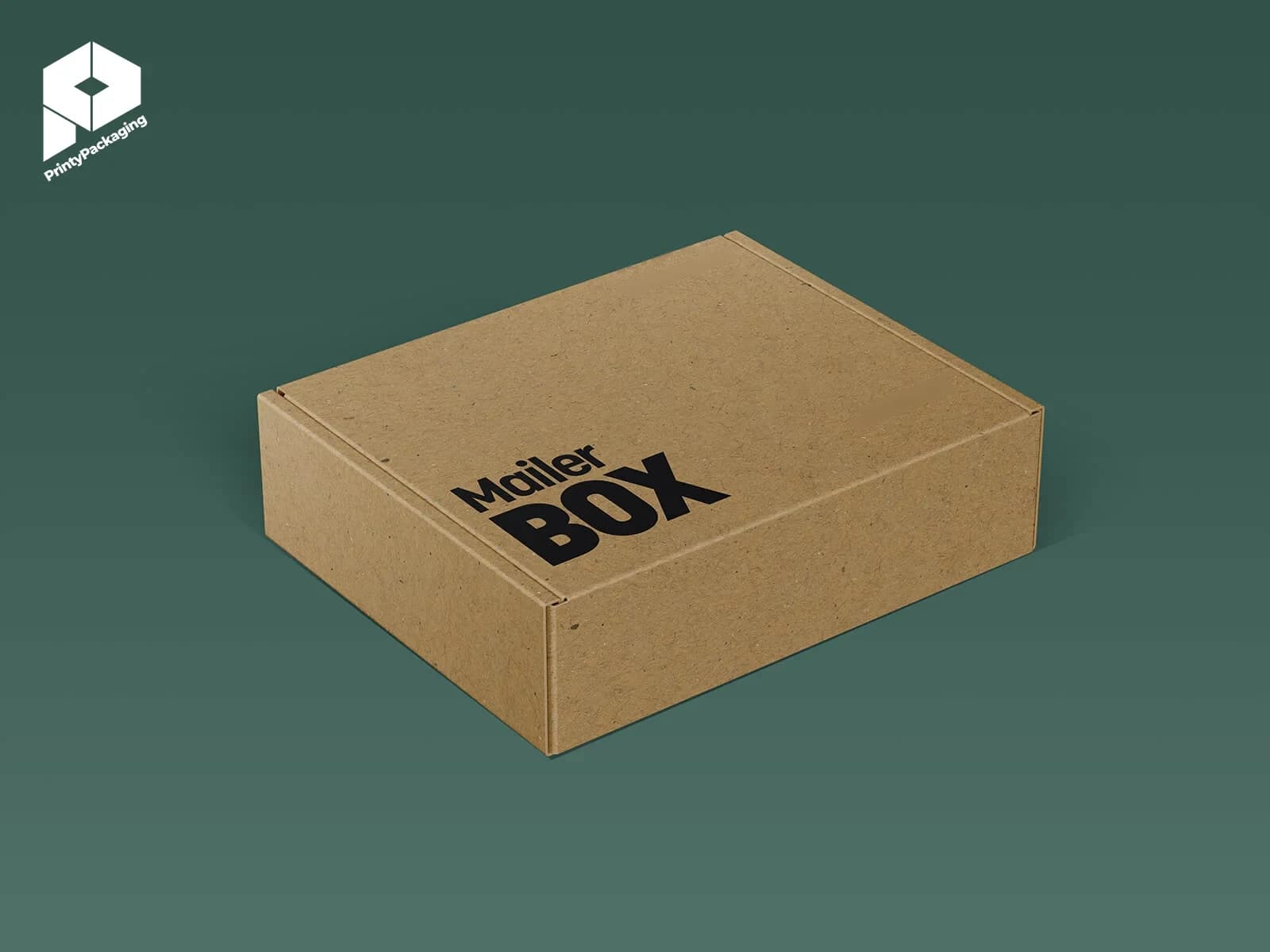 Custom Kraft Mailer BoxesNatural brown corrugated mailers with your brand printed on
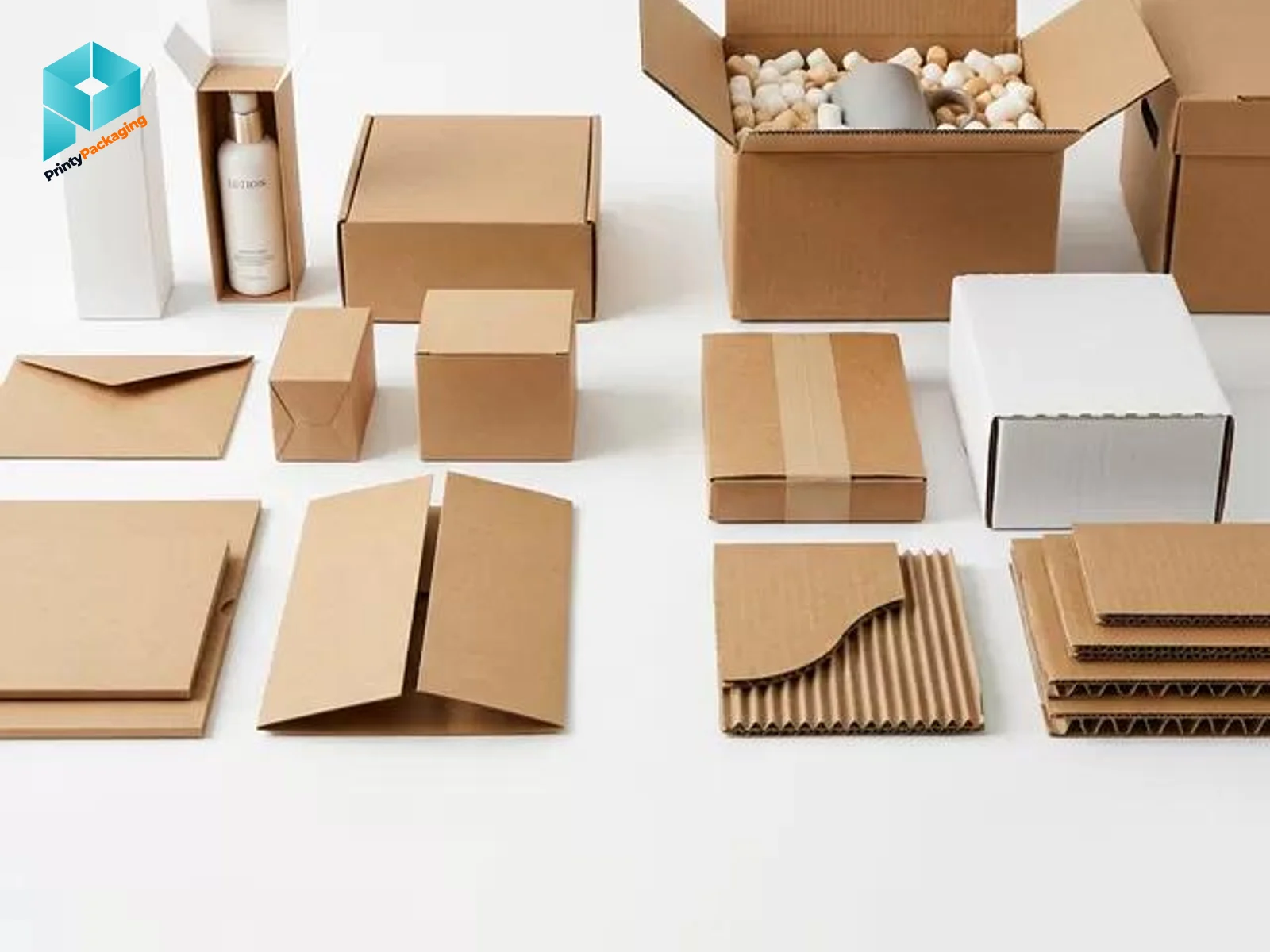 Custom Shipping BoxesCustom printed corrugated shipping boxes sized to your products
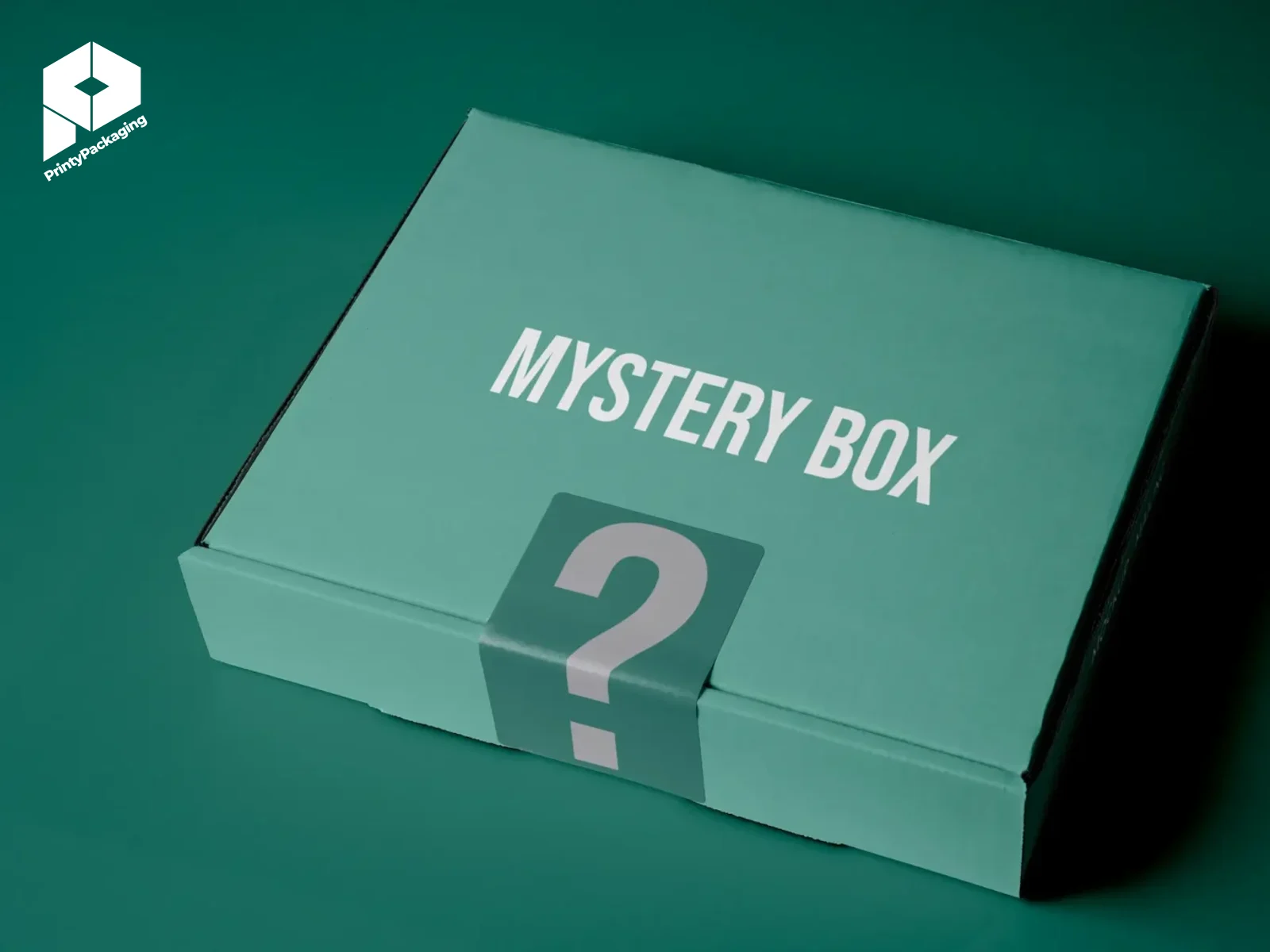 Custom Subscription BoxesCustom subscription boxes built for a repeat unboxing moment