Key takeaways
- Paperboard is for retail shelves, corrugated is for shipping, kraft gives a natural look and rigid board feels most premium.
- Most cosmetic and candle boxes use around 350 GSM paperboard.
- Colours print darker on kraft, so use white board for bright or photographic artwork.
- If two boards both work, pick the lighter one: it is cheaper to make and to ship.
Why the material matters more than the design
Most people start a packaging project with the artwork. It is more useful to start with the board. The material decides how strong the box is, how sharp the printing looks, how heavy the parcel is and most of the price.
Get the board right and a simple design looks great. Get it wrong and even the best artwork sits on a box that feels flimsy, dents in transit or costs twice what it should.
The four main board types at a glance
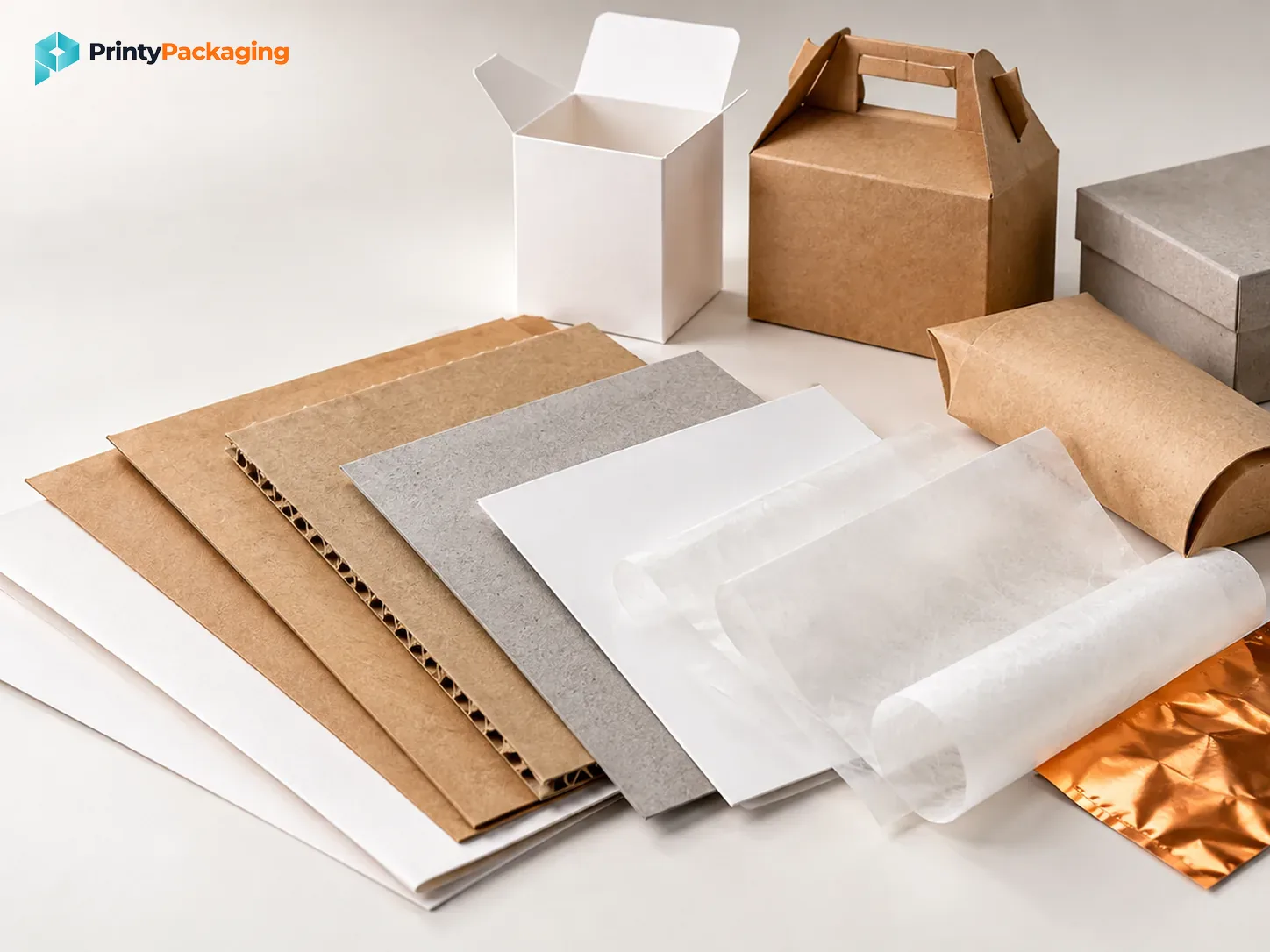
Almost every custom box is made from one of these four families. Each one has a clear job.
| Board | Typical thickness | Feels like | Best for |
|---|---|---|---|
| Paperboard (SBS / folding box board) | 250-400 GSM | Smooth, light, crisp edges | Cosmetic, soap, candle and retail product boxes |
| Kraft board | 250-400 GSM or corrugated | Natural brown, slightly textured | Eco brands, food, rustic and minimal designs |
| Corrugated board | 1.5-4.5 mm (E, B or double wall) | Strong, springy, padded | Mailer boxes, shipping boxes, pizza boxes |
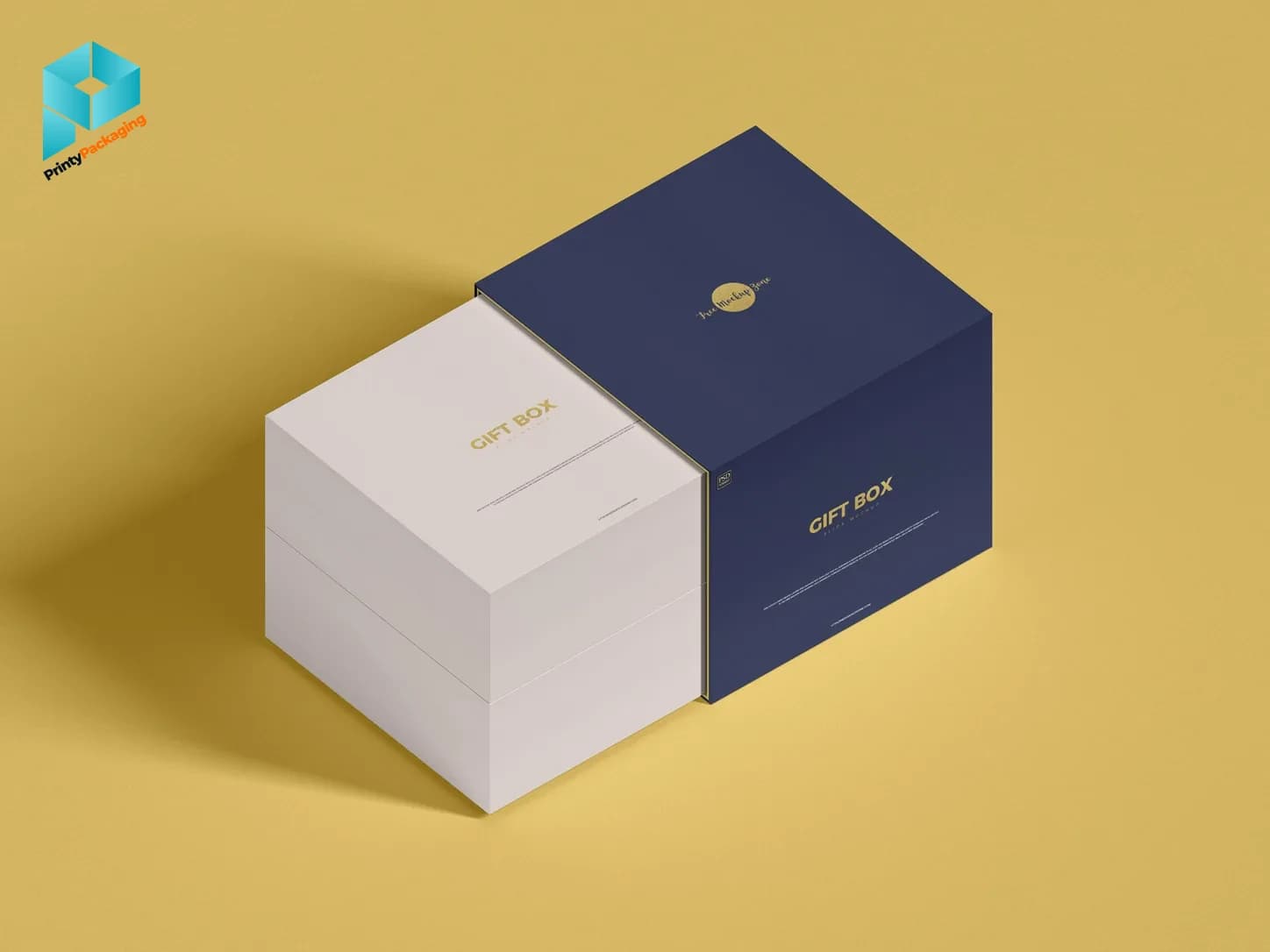
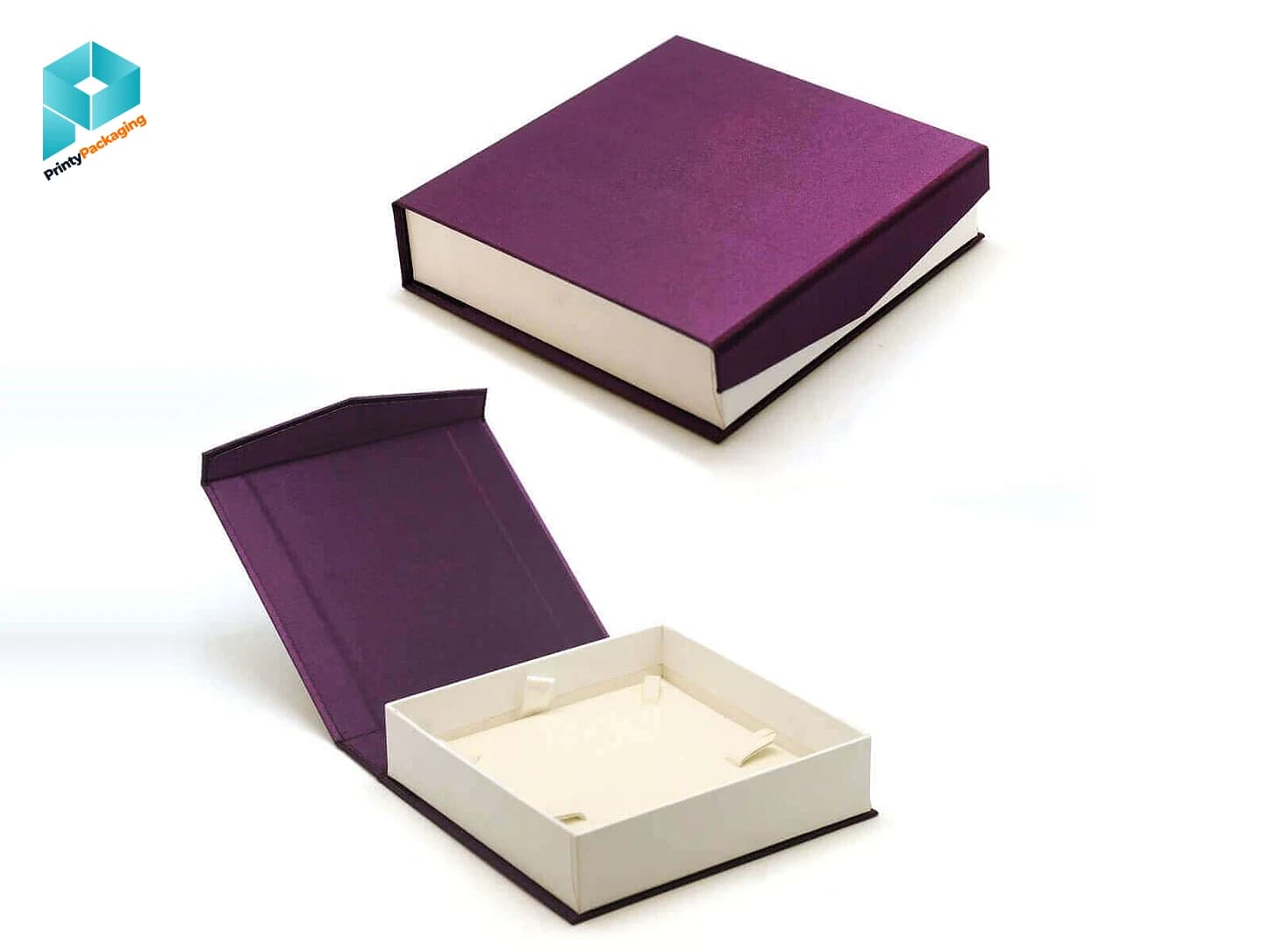
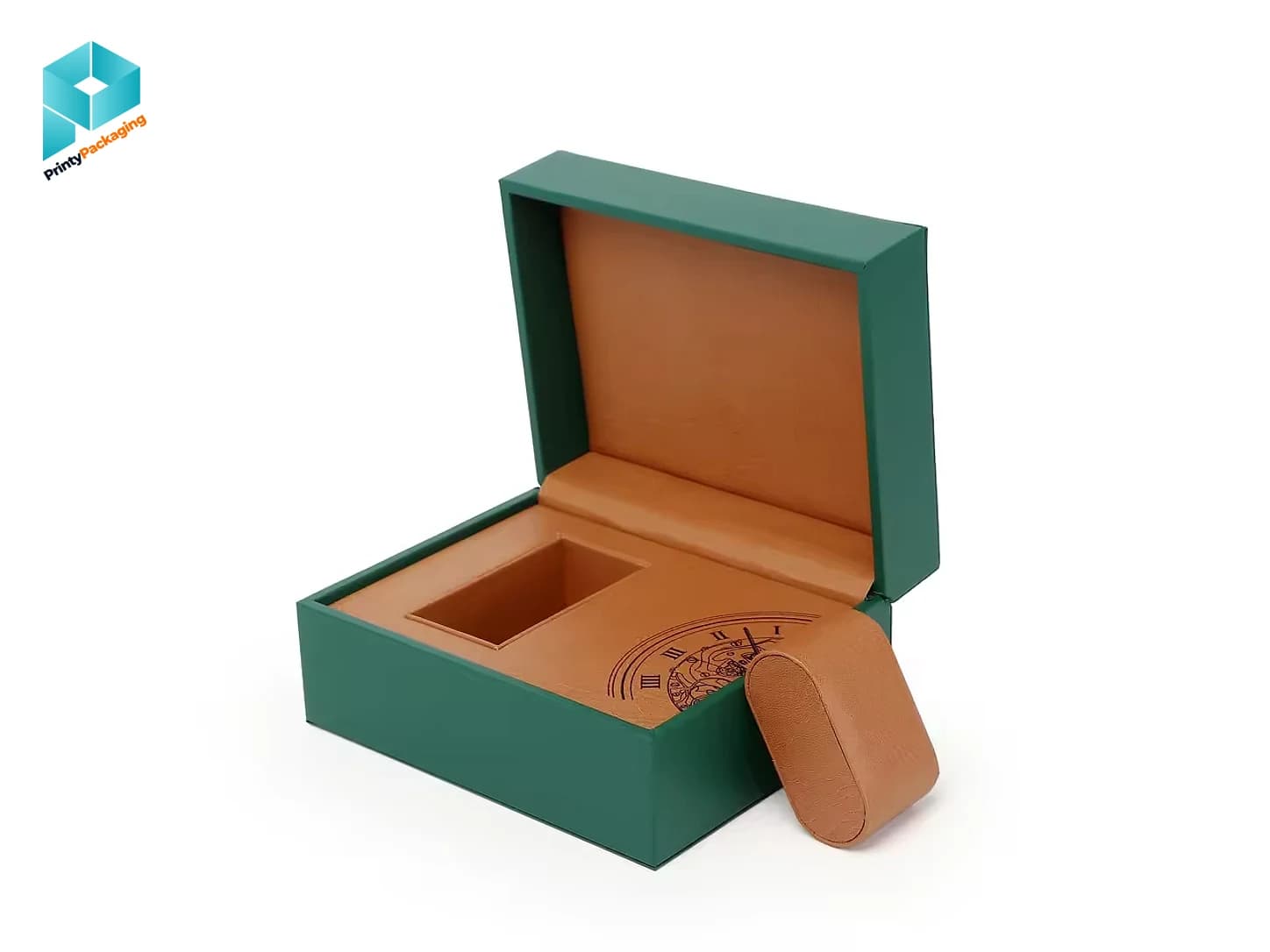
| Rigid board (grey board) | 1.5-3 mm, wrapped in paper | Solid, heavy, premium | Luxury gifts, jewellery, perfume, electronics |
Already know your box? Free quote, we reply within 10-15 minutes.
Get Free QuotePaperboard: the retail shelf standard
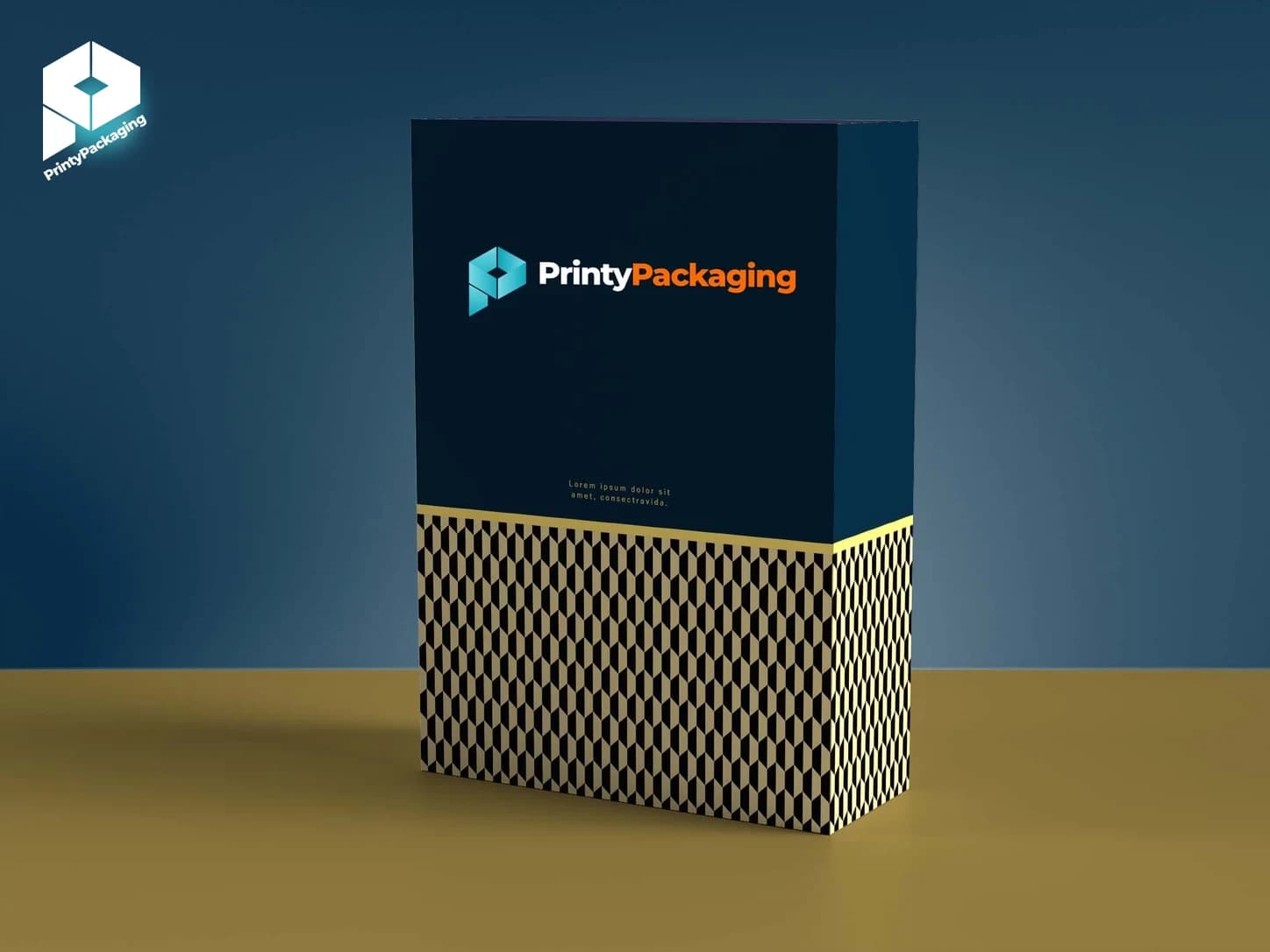
Paperboard is what most product boxes on a shop shelf are made from. The most common grade is SBS (solid bleached sulphate), a bright white board that prints very sharply. It folds cleanly, which makes it ideal for tuck end boxes and folding cartons.
Thickness is measured in GSM (grams per square metre) or points. As a rough guide: 250-300 GSM for small, light items like lip balm or soap; 350 GSM for most cosmetic and candle boxes; 400 GSM when the product is heavier or you want a firmer feel.
Paperboard is not built for shipping on its own. If the product goes by courier, the printed carton usually travels inside a corrugated shipper.
Kraft: natural look, honest message
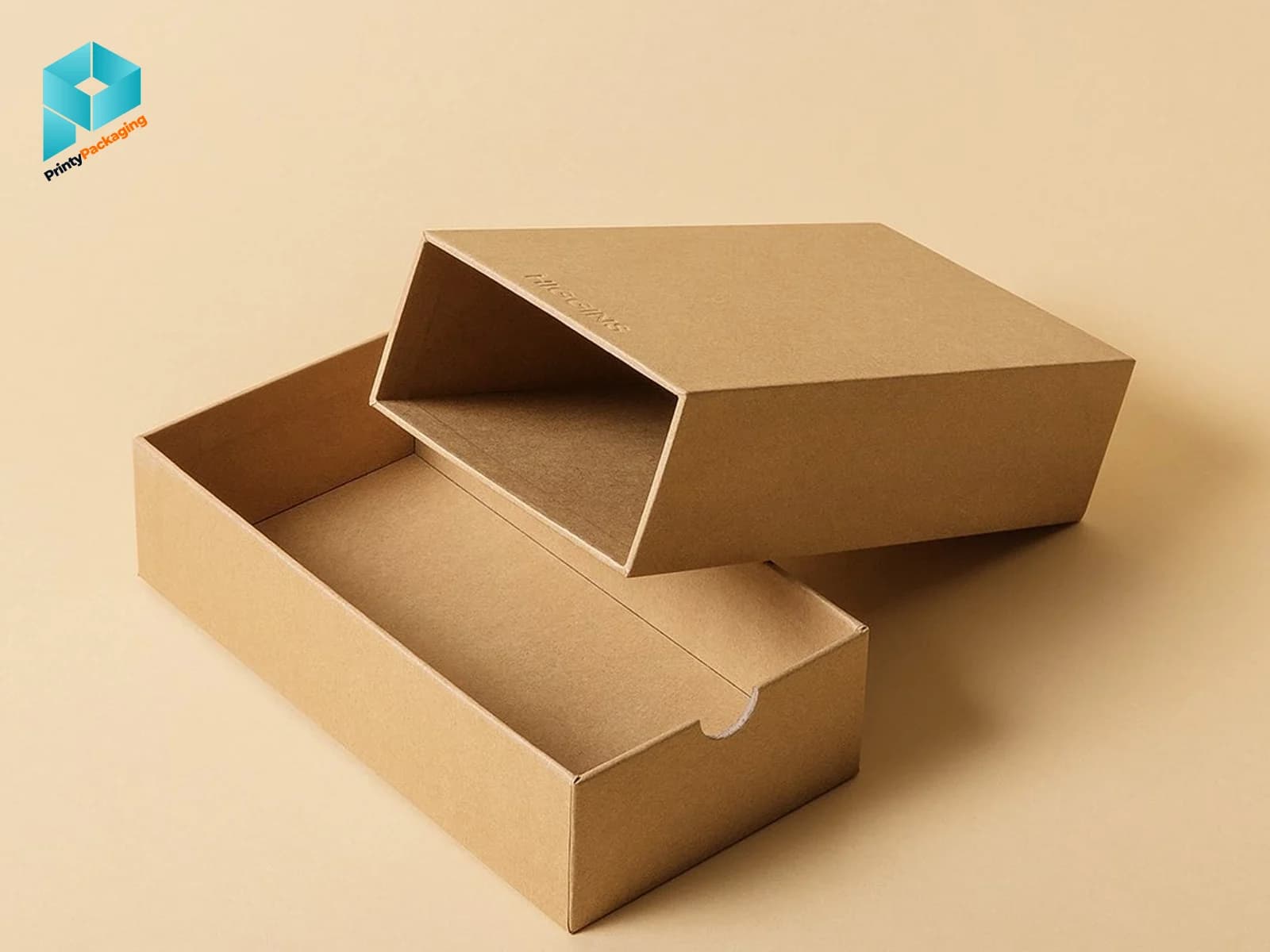
Kraft board keeps the natural brown colour of unbleached fibres. It suits brands that want an eco or handmade feel, and it hides scuffs and fingerprints well.
Printing on kraft is different from printing on white. Colours come out darker and softer, because the brown shows through. Black, white (as an ink) and strong single colours look best. Pastel or photographic artwork usually looks muddy on kraft, so choose white board if your design depends on bright colour.
Kraft is available as paperboard for retail boxes and as corrugated for mailers and shippers.
Corrugated: built to travel
Corrugated board has a wavy middle layer (the flute) glued between two flat sheets. That structure makes it light but very strong, which is why almost every parcel you receive is corrugated.
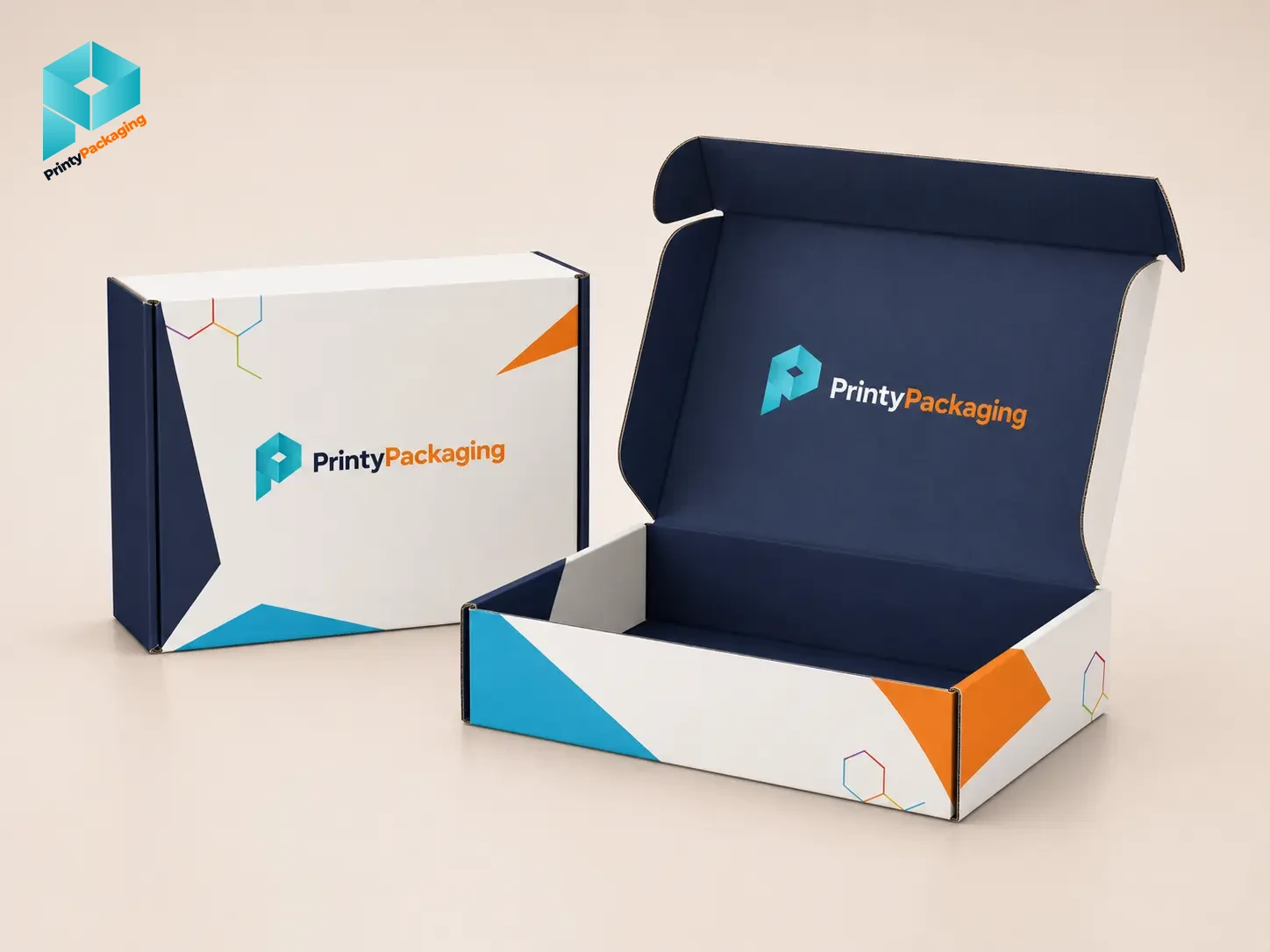
E-flute (about 1.5 mm) is thin enough to print well and is the usual choice for branded mailer boxes. B-flute (about 3 mm) takes more weight. Double wall combines two flutes for heavy or fragile goods.
Corrugated can be printed directly or covered with a printed paper sheet (litho lamination) when you want retail-quality colour on a strong box.
How to choose in three questions
1. How will it travel? Shipped by courier on its own: corrugated. Sold on a shelf or shipped inside another box: paperboard or rigid.
2. How heavy and fragile is the product? Light and robust: paperboard or E-flute. Heavy or glass: B-flute, double wall or rigid with an insert.
3. What should it say about the brand? Natural and eco: kraft. Bright and bold: white paperboard. Luxury: rigid.
If two options still look right, pick the lighter one. It is usually cheaper to produce and to ship, and customers rarely notice the difference.
Sustainability without the greenwashing
Paper-based packaging is widely recyclable, especially when it avoids plastic lamination and large foil areas. If recyclability matters to your customers, ask for water-based coatings instead of plastic film, keep foil to small details, and say on the box which parts can go in the recycling.
Kraft is not automatically more eco than white board. What matters most is using only as much material as the product needs.
Not sure which board to pick?
Send us the product, its size and weight, and how you plan to ship it. We will recommend a board and thickness and reply with prices and a free dieline, usually within 10-15 minutes. Samples of our main boards are also available so you can feel the difference before ordering.
Products in this guide