Key takeaways
- Rigid boxes are thick board wrapped in paper: they feel premium, cost more and usually ship assembled.
- Folding cartons are paperboard that ships flat: light, low cost and ideal for retail shelves.
- Choose rigid when the box is part of the gift or the price; choose a carton for everyday retail products.
- A carton with soft-touch lamination and foil, or a collapsible rigid box, sits in between.
Two very different boxes
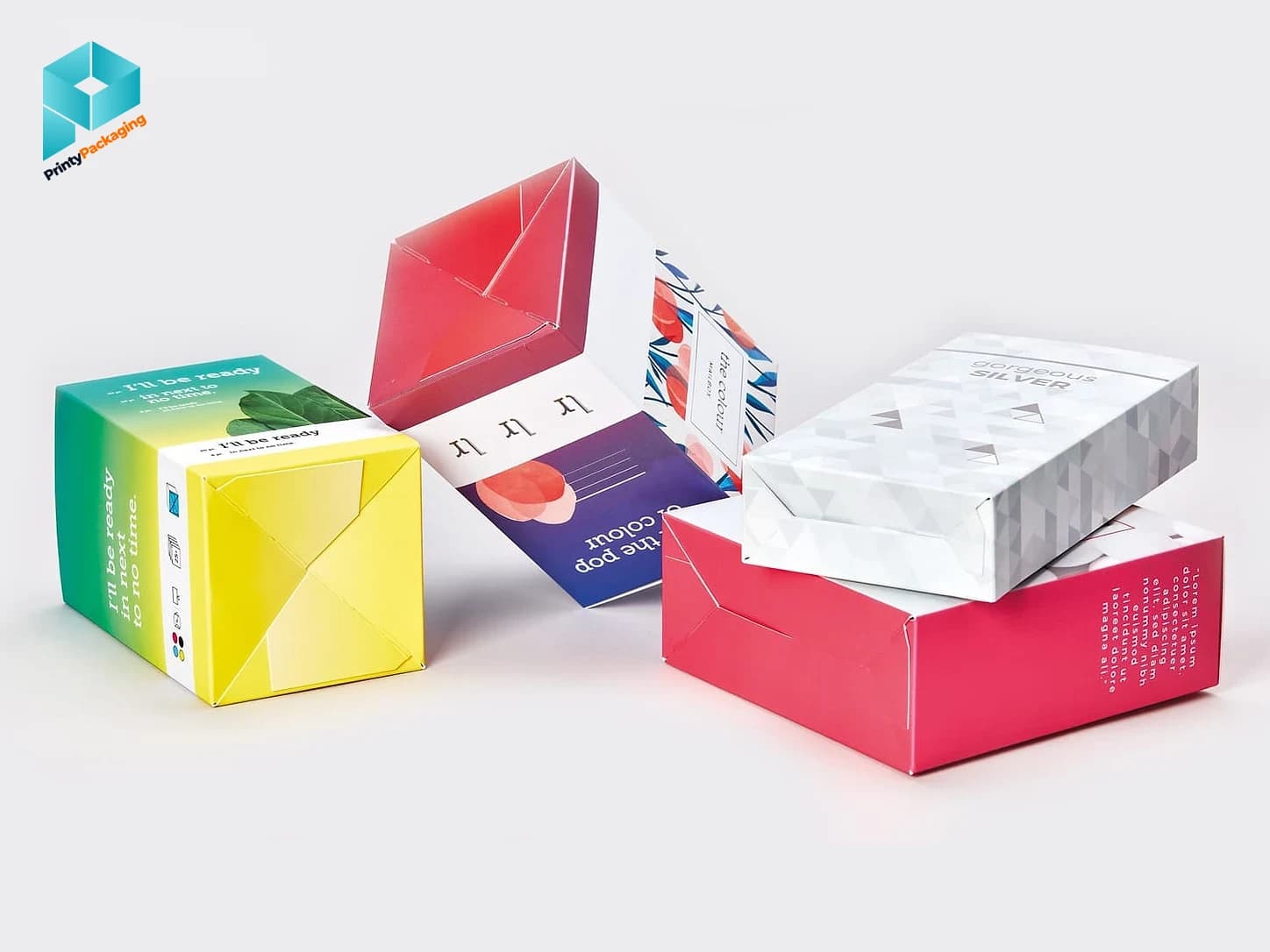
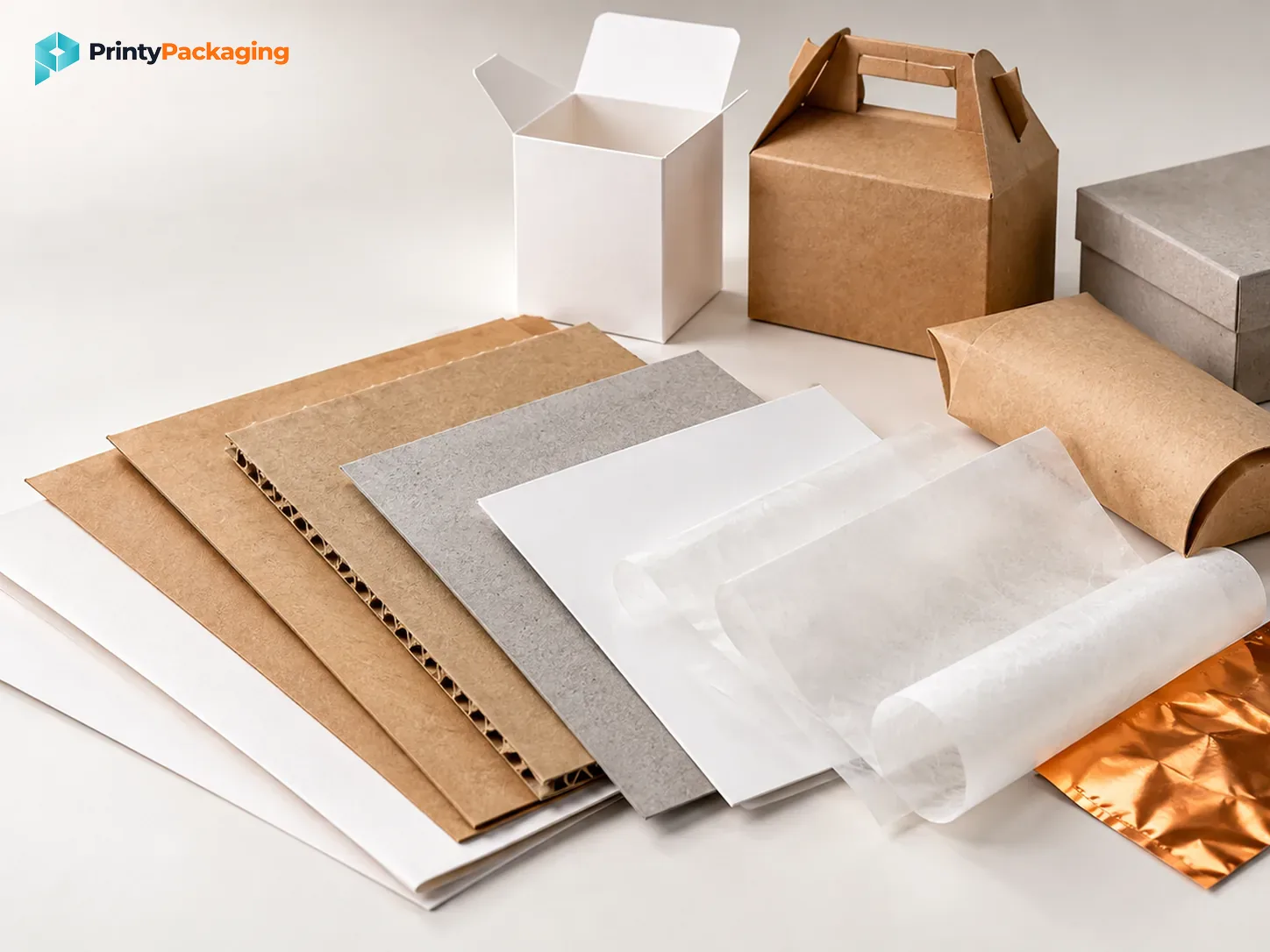
A folding carton is the box most products on a shop shelf come in: one printed sheet of paperboard, cut, creased and glued, that ships flat and folds into shape. Think cosmetics, soap, candles and supplements.
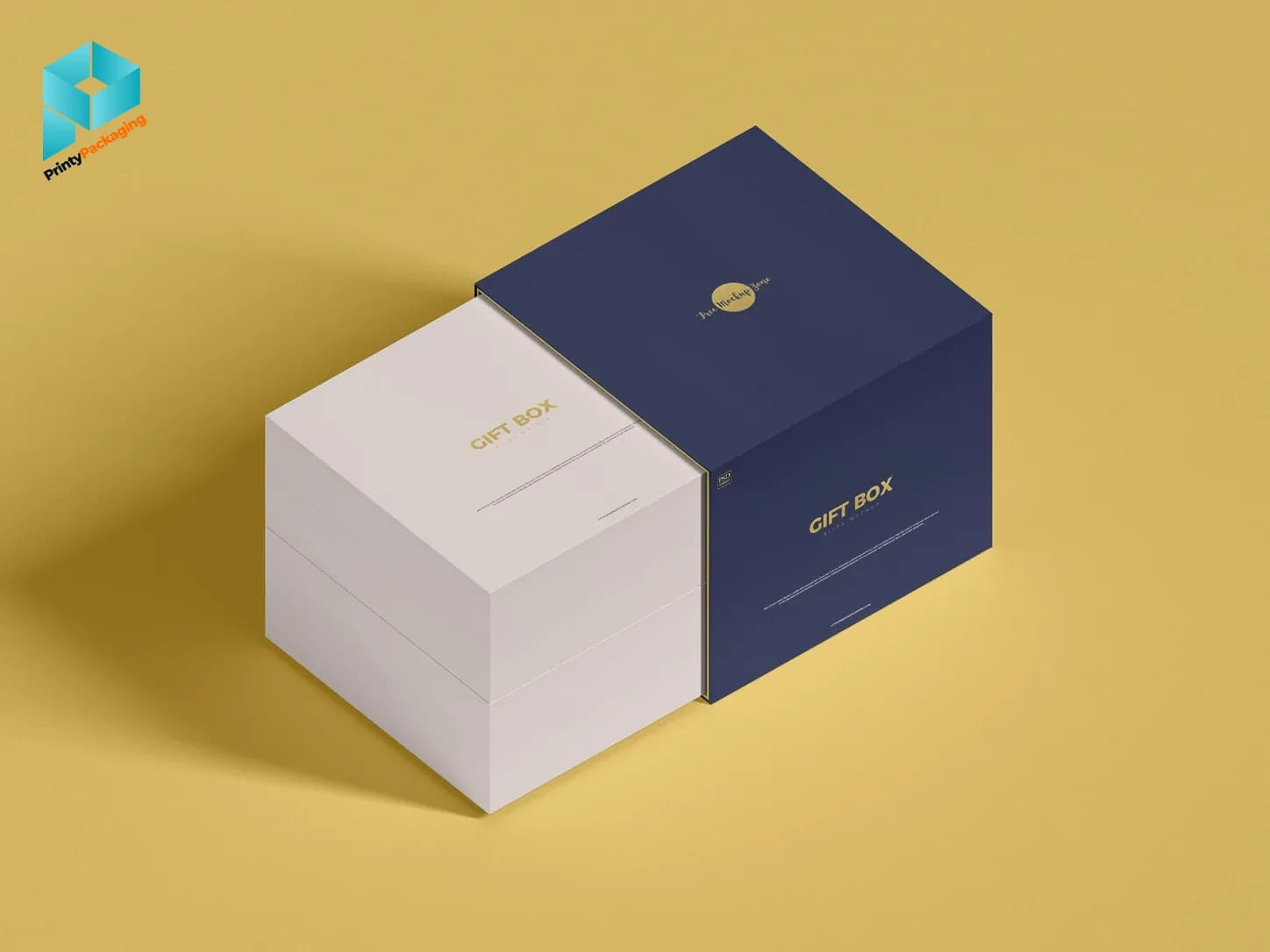
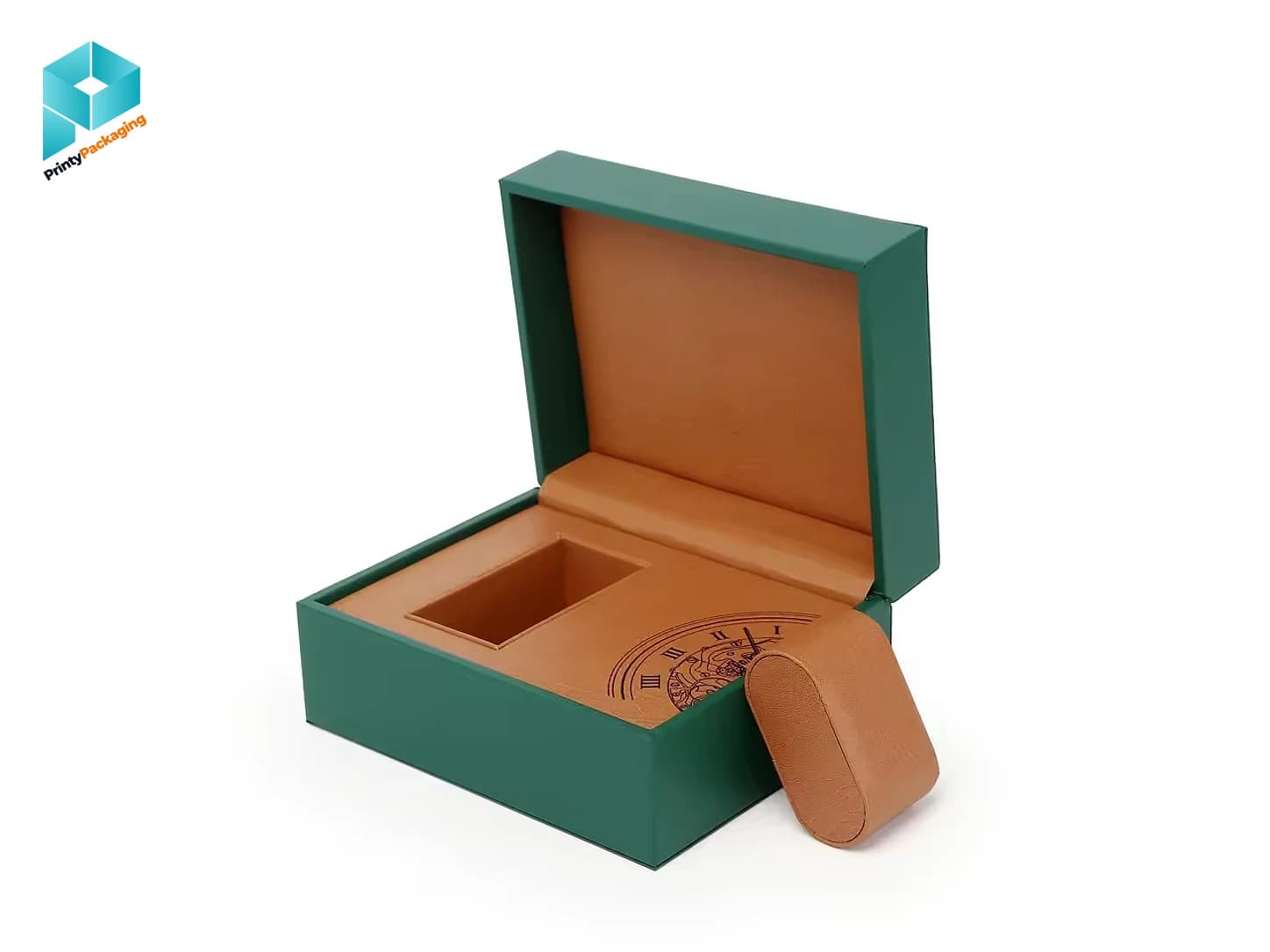
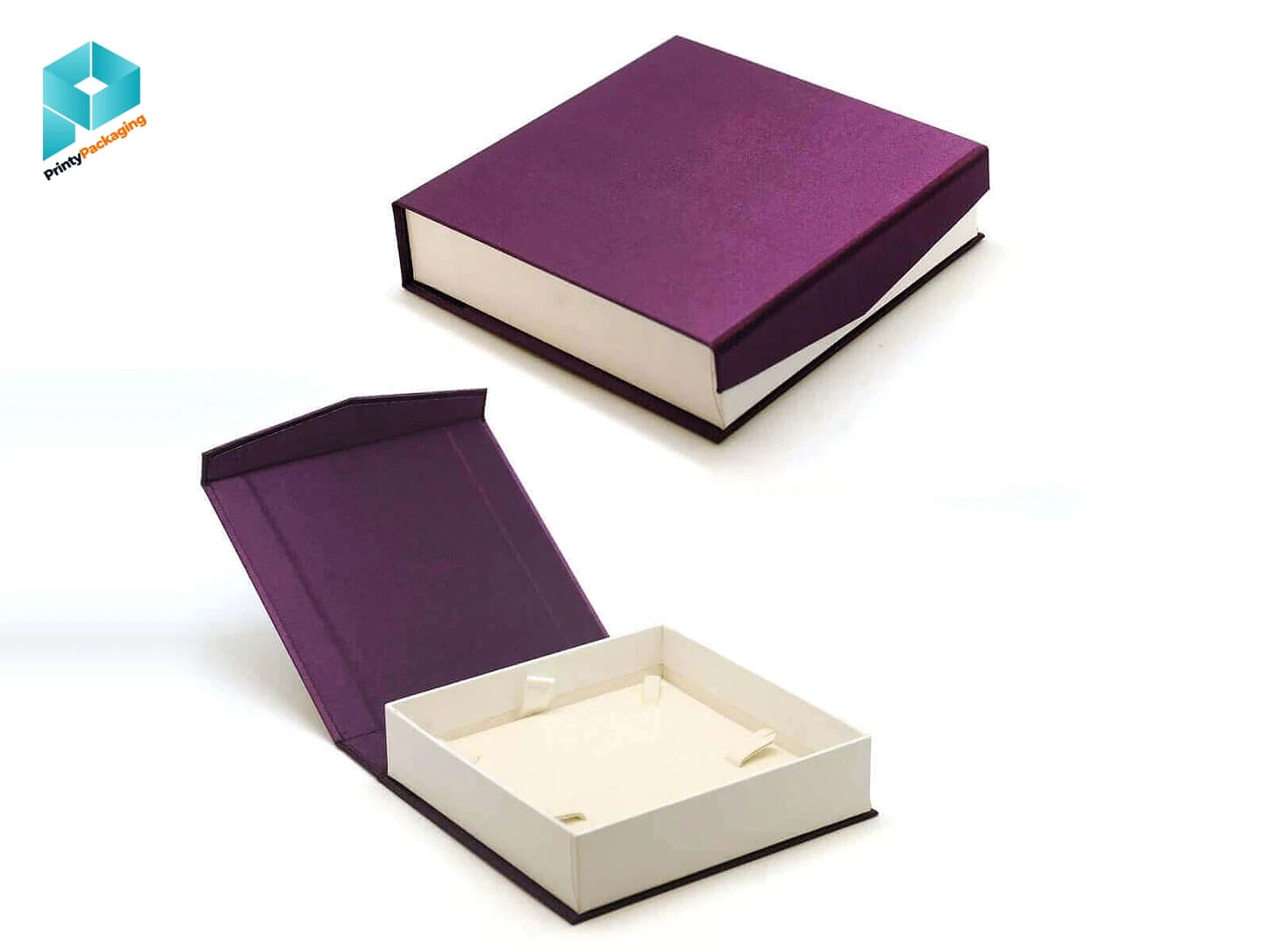
A rigid box is made from thick grey board, usually 1.5 to 3 mm, that does not fold. It is wrapped in printed or textured paper and arrives already built. Think perfume, watches, jewellery and premium gift sets.
Both can carry beautiful printing and finishes. The difference is in how they feel, what they cost and how they travel.
Side-by-side comparison
The quick version, before we go into each point.
| Point | Rigid box | Folding carton |
|---|---|---|
| Material | 1.5-3 mm grey board wrapped in paper | 250-400 GSM paperboard |
| Feel | Heavy, solid, premium | Light, crisp, clean |
| Starting price at 100 pcs | from $15.00 a box | from $2.70 a box |
| Ships | Usually assembled (collapsible styles fold flat) | Flat, folded by you |
| Storage | Takes more space | A pallet stores thousands |
| Common styles | Lid and base, magnetic, drawer, book style | Tuck end, auto-lock bottom, sleeve |
| Best for | Gifts, luxury, high-price products, PR kits | Retail shelves, cosmetics, everyday products |
Already know your box? Get your exact price free within 1 hour.
Get Free QuoteWhen a rigid box is worth it
Choose rigid when the box is part of what the customer is paying for. A perfume, a watch or a gift set is often kept in its box, displayed or reused. A solid box with a magnetic lid tells the customer the product inside is worth the price before they even see it.
Rigid boxes also suit PR and influencer kits, where the unboxing is filmed, and products that need a fitted insert to hold glass or electronics firmly.
The trade-offs are cost, weight and space. Rigid boxes cost several times more than cartons, weigh more to ship and take up more room in storage unless you choose a collapsible style.
When a folding carton is the better choice
Choose a folding carton when the product sells on a shelf or in volume, and the box mainly needs to protect, inform and look good. Most cosmetics, skincare, soap, candles, supplements and food products sit in this group.
Cartons are light, ship flat, and a well-printed carton with the right finish looks premium on its own. Because the price per box is low, you can afford better artwork and finishing across your whole range instead of one expensive box for a single product.
If the product goes by courier, put the carton inside a mailer or shipping box. Paperboard is built for the shelf, not for the parcel network on its own.
The middle ground
You do not always have to choose one extreme.
Premium folding carton: a 350-400 GSM carton with soft-touch lamination and a foil logo gets surprisingly close to the feel of a luxury box at a fraction of the price.
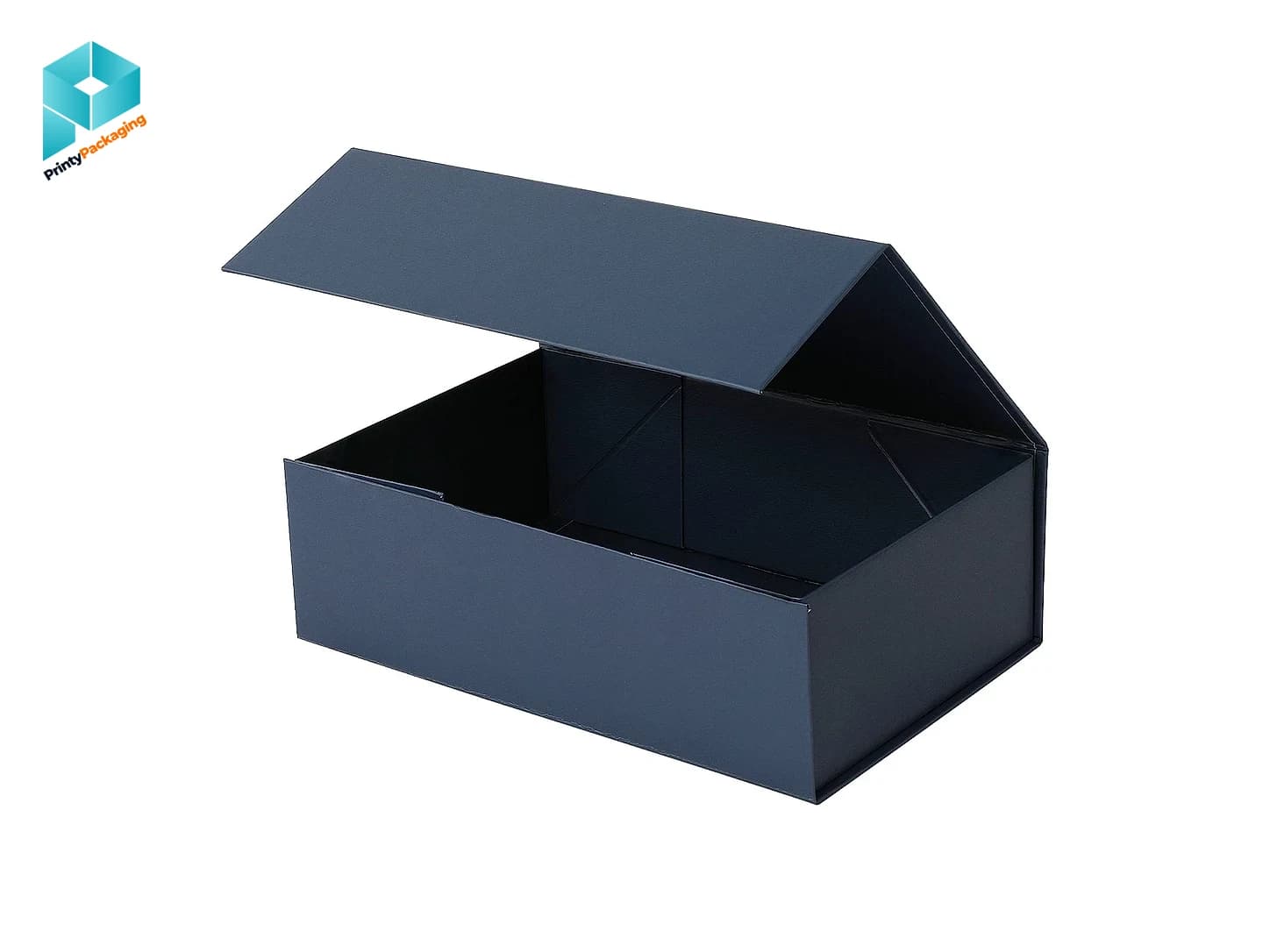
Collapsible rigid box: a rigid box that folds flat for shipping and storage, then snaps into shape with magnets. You keep the premium feel and save on freight.
Mixed range: use a rigid box for your hero product or gift set, and folding cartons for everything else in the same design. The range still looks consistent.
Decide in three questions
1. Will the customer keep the box? If yes, lean rigid. If it goes in the bin, a carton is enough.
2. What does the product sell for? For a high-price item, the box is a small part of the cost and a rigid box is easy to justify. For an everyday product, a carton keeps your margin.
3. How does it travel? Shelf or inside a shipper: either works. Shipping on its own in volume: think about weight and space, or a collapsible rigid style.
Still between the two? Send us the product and its selling price and we will suggest both options with prices side by side, usually within an hour during business hours. Both start from 100 pieces.
Products in this guide